The Word Natural Is Not a Full Ingredient Description
Learn what a natural food label can and cannot tell you, so you can distinguish a broad claim from specific ingredient, processing, nutrition, and sourcing details.
Does a natural food label tell you what is actually in a product? Not by itself. The word “natural” is a broad claim, not a full ingredient description, and its meaning can depend on the product and the rules that apply to the claim.
That distinction matters when the front of a package gives you an impression the rest of the label does not confirm. Treat “natural” as wording to interpret in context, not as a substitute for specific information about ingredients, processing, nutrition, or origin.
A natural food label leaves the formula to the ingredient list
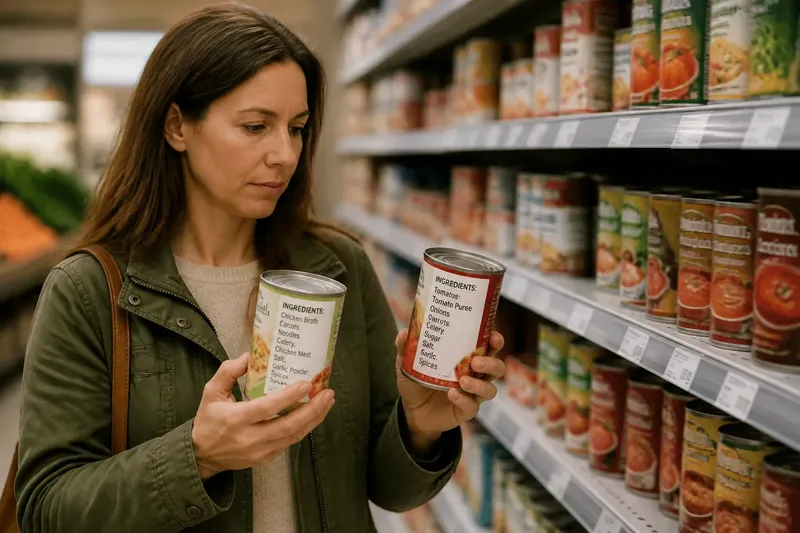
“Natural” does not name each ingredient, explain why it was included, or tell you how much is present. The ingredient list is the place to check which ingredients are declared, though it may not answer every question about how an ingredient was made or sourced.
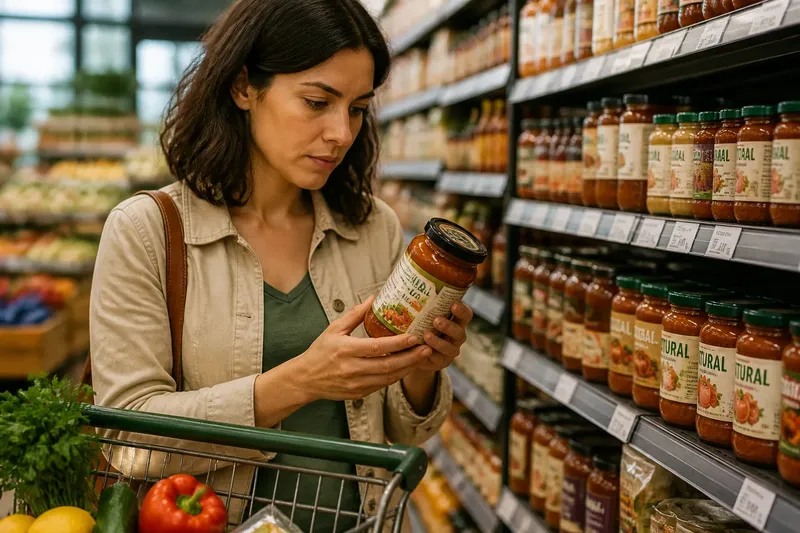
Say you are choosing a bottled sauce because its front label says “natural,” and you want a sauce made with tomatoes and herbs. Check the ingredient list for those names and read the rest of the list for other declared ingredients. If the list does not tell you whether a particular herb came from a certain farm or how it was grown, the front claim does not fill that gap.
Natural does not describe the manufacturing process
A product bearing a natural claim may still have been mixed, cooked, dried, milled, or otherwise processed. The word alone does not describe the manufacturing sequence, equipment, or degree of transformation.
If a particular process matters to you, look for a specific process statement on the package or in product information from the maker. If neither explains it, treat that detail as unknown rather than reading it into “natural.” Processing is not automatically a sign of poor quality; the relevant question is whether a process fits your needs.
Natural is not a nutrition score
The claim does not, on its own, tell you about calories, sodium, sugars, fiber, fat, or other nutrients. A positive-sounding word is not a nutrition promise.
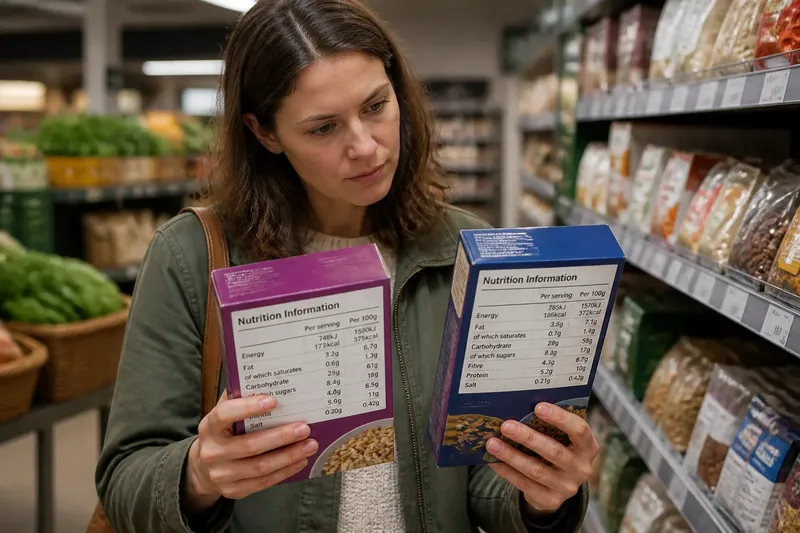
Use the Nutrition Facts panel for the nutrient information it provides, and note the serving information that forms the basis for those amounts. If you manage a health condition or follow a medically directed diet, ask a qualified health professional which label details matter for your situation.
Natural food label questions shoppers ask?
Does natural mean a food contains no additives?
Not necessarily; the word alone does not provide a complete account of the ingredients or their roles. Check the ingredient list for a specific additive you want to identify, and consult the maker if its identity or function remains unclear.
Does natural mean minimally processed?
You cannot infer a product’s manufacturing history from the word by itself. Look for a specific process description or ask the manufacturer about the particular step you care about.
Does natural mean the food is healthier?
The claim does not establish a product’s nutritional value. Check the Nutrition Facts panel for the nutrients relevant to your needs, and seek qualified professional advice for medical or diet-related decisions.
Can natural tell me where an ingredient came from?
No; the word does not identify a farm, region, or sourcing method. Look for a specific origin or sourcing statement, and check which ingredient it refers to before applying it to the whole product.
Sourcing claims need wording of their own
“Natural” does not identify where an ingredient was grown or raised, who produced it, or how it reached the manufacturer. A separate origin or sourcing statement may offer more specific information, but its scope depends on the wording and the applicable rules.
Read the exact statement and note whether it refers to one ingredient or the product more broadly. If the label leaves an important sourcing question unresolved, consult the maker’s product information or contact the manufacturer; do not treat the broad natural claim as an answer.
Make each label detail answer one specific question
Instead of judging “natural” as a complete description, match your question to the package detail that may address it. These checks also make clear when the label has not supplied an answer.
- Ingredients: Observe whether the ingredient list names the item you are looking for. If it does, use that declaration to confirm it is listed; if it does not, do not assume the natural claim means it is present, and ask the maker if you need clarification.
- Avoiding an ingredient: Observe whether the ingredient list names the specific ingredient you want to avoid. If it does, choose another product if that fits your needs; if it does not, check with the manufacturer when the absence is important rather than treating the front claim as confirmation.
- Processing: Observe whether the package or maker describes the process you care about. If it does, consider that specific description; if it does not, treat the process as unknown and seek further information or choose a product with clearer wording.
- Nutrition: Observe the relevant entries and serving information on the Nutrition Facts panel. If they fit your needs, use those details in your decision; if they do not, consider another product or ask a qualified health professional when your decision is medically significant.
- Origin: Observe whether an origin statement names a place and identifies the ingredient it covers. If it does, apply the statement only to that stated scope; if it does not, do not infer a source from “natural,” and consult the manufacturer if origin matters.
- Unclear wording: Observe whether a claim explains the feature you need to know. If it does, consider its exact wording and scope; if it does not, leave the detail unresolved and seek a clearer source rather than filling in the blank.
What a natural food label can settle and what it cannot
Imagine a shopper, Maya, wants a sauce with tomatoes and herbs, no particular additive, and a stated origin for the tomatoes. She sees “natural” on the front, then checks the ingredient list: tomatoes and herbs are named, along with the additive she hoped to avoid. The list settles which ingredients are declared, but not the tomatoes’ origin, so she sets that jar aside and checks another product’s sourcing statement.
In that situation, the claim neither confirms the preferred recipe nor answers the sourcing question. The useful meaning of a natural food label lies in its limits: it may describe a product in broad terms, while specific package statements and label sections address narrower questions. When a detail matters and the wording does not settle it, leave it open until you find a clearer answer.