Why Ingredients Appear in Descending Order
Why ingredients appear in descending order helps you read a recipe’s weight-based sequence, compare similar foods, and know what the list cannot tell you.
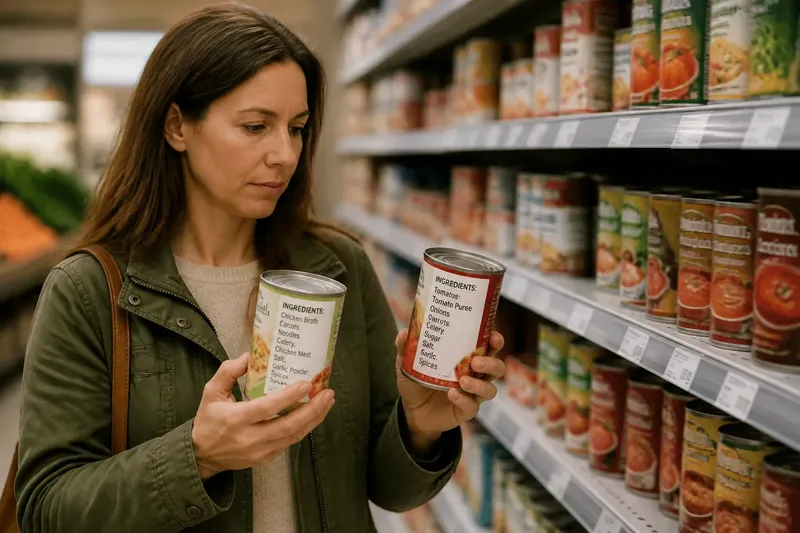
Why ingredients appear in descending order becomes clear when you look at two cans of soup with different bases: the first name on each list points to what contributes more weight than any ingredient listed after it. That is a useful clue about the recipe, but it is not a complete formula or a quality rating.
Ingredient order describes weight, not volume
Packaged foods generally list ingredients from the greatest amount to the least by weight as the product is made. The first ingredient therefore weighs more than each individual ingredient that follows, but it need not outweigh all the other ingredients combined.
Weight can be unintuitive. A dense ingredient and a fluffy one may occupy different amounts of space even when their weights are similar. The sequence does not reveal exact quantities or the size of the gap between neighboring ingredients.
The order can reveal a product’s base
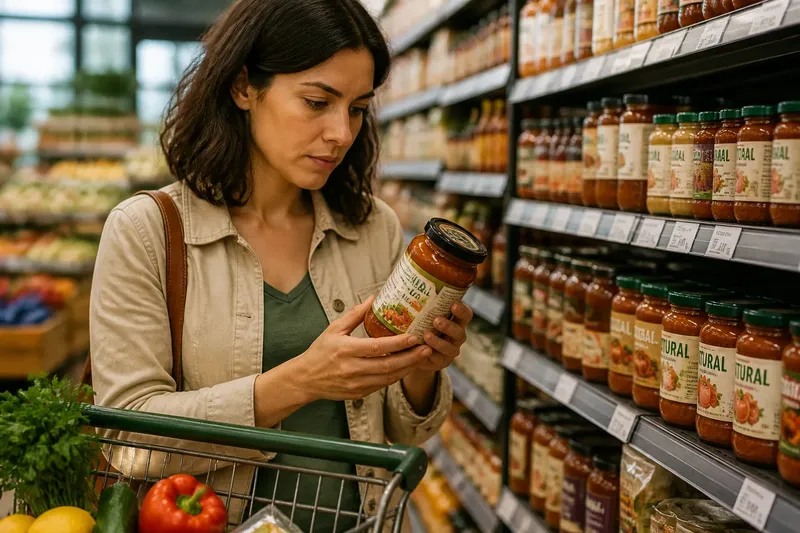
Consider what leads the list when you want to understand the basic composition of a food. In canned soup, a list that starts with broth signals a different base from one that starts with tomatoes; in bread, a leading grain ingredient gives a clue about the flour used. Those clues describe the recipe’s structure, not whether the food is better for every person or purpose.
Compare products designed for similar uses. Two soups with different styles, or a dense seeded loaf beside a soft sandwich bread, may have different sequences because their recipes serve different purposes. A comparison is more informative when the products are close substitutes.
Turn the sequence into a specific decision
Say you want a tomato-forward canned soup for a pasta sauce. Imagine two labels: Soup A lists tomatoes first, followed by broth; Soup B lists broth first, followed by tomatoes. Your action is to compare those opening ingredients, then check the rest of each list for components that matter to your planned use. The observable result is that Soup A’s label indicates tomatoes contribute more weight than broth, while Soup B’s indicates the reverse; neither list supplies exact amounts, so you still choose based on the flavor and texture you want.
- Check the first ingredient. If it is the base you want, continue comparing; if not, consider another product with a more suitable base.
- Check the next few ingredients. If they support the same recipe style, keep the product in consideration; if they point to a different style, compare another close substitute.
- Check for a named ingredient you avoid. If it appears, set that product aside or seek qualified guidance when the concern involves an allergy or medical need; if it does not appear, continue checking other relevant label information.
- Check whether the products serve the same use. If they do, compare their sequences directly; if they do not, treat the difference as a recipe distinction rather than a ranking.
- Check whether you need an exact amount. If you do, use a separate quantity disclosure when available or choose another source of information; if you do not, use the order only as a relative clue.
- Check whether the first ingredient is being treated as a quality score. If so, pause and compare the attributes relevant to your choice, such as nutrition information or intended use; if not, use the sequence for the narrower question it can answer.
Ingredient order answers only part of the label question
The list names ingredients, but it does not provide a full recipe, explain the function of every component, or establish nutritional value. A shorter list is not automatically better, and a later-listed ingredient may still matter to a person’s preferences or needs.
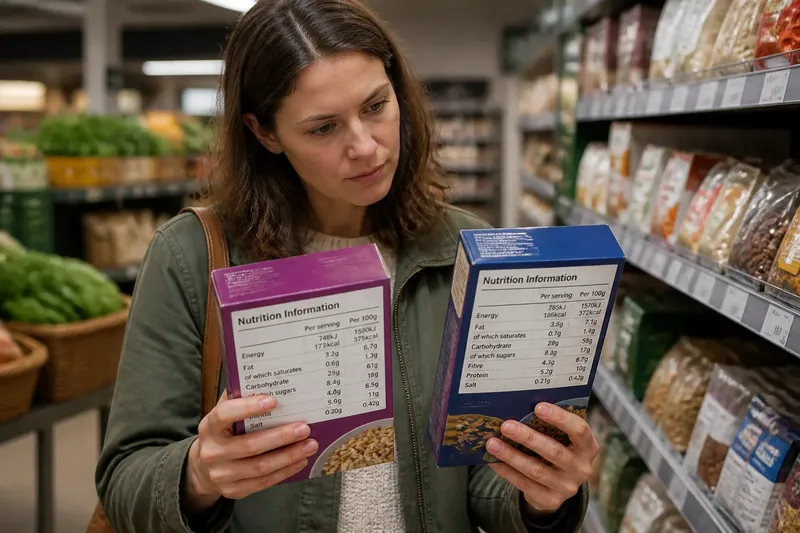
Use other package information for other questions. Nutrition details can help with nutrition-related choices, while product descriptions may clarify the intended style; neither changes what ingredient order itself means.
What can ingredient order tell you?
Does the first ingredient make up most of the food?
Not necessarily. It weighs more than each ingredient listed after it, but the label does not say it outweighs all the other ingredients together.
Can the list show exact quantities?
No. It gives a relative sequence, not precise amounts or the distance between ingredients. Look for a separate quantity disclosure if an exact amount matters.
Why do similar products start with different ingredients?
Their recipes may use different bases or proportions. Compare products with similar intended uses, then read beyond the opening ingredient to understand more of the contrast.
Does a shorter list mean a better product?
No. It means fewer ingredients are named, but it does not establish taste, nutrition, or suitability. Make the decision using the characteristics that matter for your needs.
Use the sequence for the question it can answer
Why ingredients appear in descending order is a practical label question: the sequence ranks ingredients by weight as the food is made, giving you a broad view of the recipe’s composition. For a useful comparison, keep the products similar and treat the first entries as clues rather than verdicts.
If the detail you need is an exact amount, ingredient order cannot supply it. If you need to know whether a food fits a medical or allergy-related requirement, consult the full package information and a qualified professional where appropriate.